
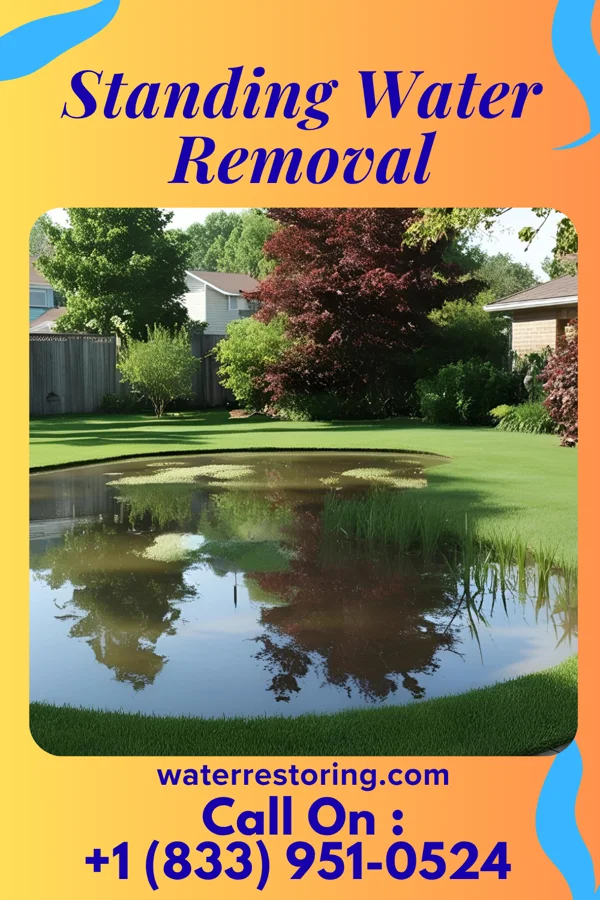
Common Standing Water Causes in Morse Bluff
Most standing water removal calls in Morse Bluff come from In Morse Bluff, Nebraska, the primary water damage cause is often due to sudden plumbing failures, such as burst pipes in rural homes and small businesses. Additionally, seasonal flooding from nearby rivers and heavy rainfall can lead to water intrusion in low-lying areas near North Bend and Cedar Bluffs.. A close second is Secondary causes include groundwater seepage through old basements, leaks from agricultural equipment, and water damage from livestock or farm operations. These issues are common in the rural setting of Saunders County.. If you know what is about to happen, the decisions during the first 48 hours get a lot easier.
Morse Bluff experiences a semi-arid climate with hot summers and cold winters, which can lead to frozen pipes in winter and sudden spring thaws that increase the risk of flooding. The region's proximity to the Platte River adds to the seasonal water risk.
Most standing water removal calls in Morse Bluff come from In Morse Bluff, Nebraska, the primary water damage cause is often due to sudden plumbing failures, such as burst pipes in rural homes and small businesses. Additionally, seasonal flooding from nearby rivers and heavy rainfall can lead to water intrusion in low-lying areas near North Bend and Cedar Bluffs.. Running a close second is Secondary causes include groundwater seepage through old basements, leaks from agricultural equipment, and water damage from livestock or farm operations. These issues are common in the rural setting of Saunders County.. Local mold risk: Mold can develop quickly in the humid summer months, especially in older homes with poor insulation. Prompt water damage restoration is critical in Morse Bluff to prevent mold growth and protect both health and property.